
São Jorge Fajãs and the Island's Cheese Pastures
São Jorge's fajãs are fertile coastal terraces beneath dramatic cliffs, while the island's green pastures sustain a long tradition of Azores cheese making.
São Jorge is one of the central islands of the Azores, a long volcanic ridge rising from the Atlantic with steep sides and a high interior. Its most distinctive feature is the relationship between the cliffs and the sea. At the base of many cliffs lie the fajãs, flat terraces of lava and sediment that form green platforms beside the ocean. These São Jorge fajãs are not only striking fajã landscapes; they are also places where people have farmed, fished and lived for generations. The same island is known for its pastures and for a traditional Azores cheese that reflects the fertility of its land.
How the Fajãs Took Shape
The fajãs are the result of volcanic activity and erosion. Lava flows reached the sea and cooled into rocky deltas, while material from landslides accumulated at the foot of the cliffs. Over time, soil developed on these platforms, fed by springs and by the mild, damp climate of the archipelago. The result is a series of low, flat areas that contrast sharply with the steep slopes above them. Some fajãs are large enough to hold hamlets, small churches and cultivated fields; others are narrow strips used for grazing or seasonal agriculture. Because they sit close to the water, they enjoy a sheltered microclimate and remain green for much of the year.
A Fajã Landscape of Lagoons and Paths
Among the best-known examples are Fajã dos Cubres and Fajã da Caldeira de Santo Cristo, where small lagoons lie behind barriers of sand and pebble. The Caldeira de Santo Cristo is a protected nature reserve, and its lagoon is known for the shellfish that live in its waters. The surrounding fajã landscape is a patchwork of pasture, stone walls and houses, framed by the dark rock of the cliffs. Walking offers a direct way to appreciate these places. Old paths descend from the plateau to the coast, linking one fajã to another and offering views back up to the high ridge. Along the way, walkers pass small chapels, cisterns and working farmland. The routes are not merely scenic; they show how closely settlement has adapted to the shape of the island.
Pastures Above and Below the Cliffs
The pastures of São Jorge island are equally important to its character. On the higher ground, fields divided by hedges of hydrangea cover the slopes, and cattle graze in the mild oceanic climate. The fajãs add another layer to this pastoral landscape, with small plots and grazing areas close to the sea. Dairy farming is part of the island's rural economy and has shaped the pattern of settlement, the maintenance of paths and the rhythm of daily work. The green fields, the cliffs and the ocean form a landscape that is both productive and dramatic.
Cheese Making and Local Tradition
São Jorge is particularly associated with Queijo de São Jorge, a cheese made from raw cow's milk and matured for several months. It has a firm texture and a pale yellow interior, and its flavour becomes stronger and more robust with age. The cheese carries Protected Designation of Origin status, which recognises its link to the island and to traditional methods of production. Small dairies and family farms play a role in maintaining these methods, and the cheese is a familiar presence at local markets, festivals and family tables. Its importance goes beyond taste: it connects the island's pastures, its cattle and its coastal settlements in a single tradition.
Experiencing the Island's Character
For visitors, the fajãs and pastures offer a way to understand São Jorge beyond a list of viewpoints. The island can be explored through its network of walking trails, which reveal the contrasts between the high interior and the low coastal terraces. Weather can change quickly, and the cliffs demand respect, but the rewards are clear: quiet lagoons, green fields, stone paths and wide Atlantic views. Because many fajãs are working places, visitors should keep to paths, close gates and respect private land. The island's cheese and its fajã landscapes are not separate attractions; they are part of the same rural system, shaped by volcanic geography, climate and generations of careful use.
Related content
Azores
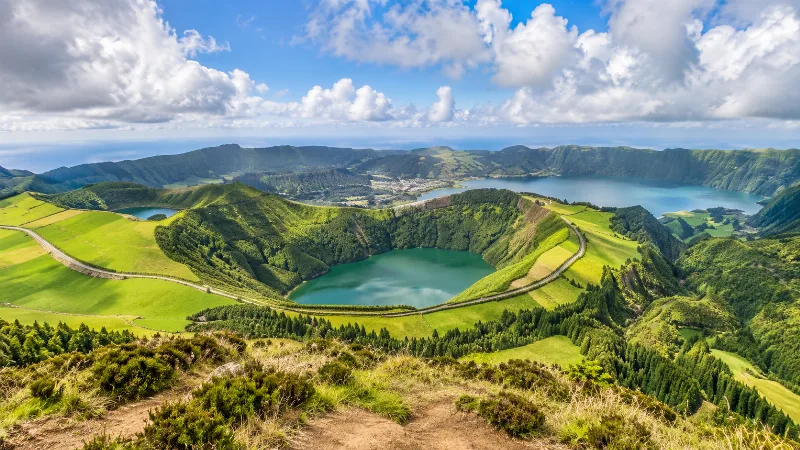
Discover the Azores through volcanic islands, crater lakes, green landscapes, Atlantic coastlines, hiking, wildlife and distinctive island communities.
Serra da Estrela Cheese and Mountain Pastures
A soft ewe's cheese from Portugal's highest mountains, Serra da Estrela is set with wild thistle and ripened in cool cellars. Its character owes much to the thin upland pastures and native sheep of the range.
Horta
Horta, the main town of Faial in the Azores, is built around a sheltered bay that has served whalers, cable engineers and Atlantic sailors. Its compact centre, painted harbour wall and volcanic hinterland make it one of the central group's most distinctive ports.
Azeitão Sheep's Cheese and the Setúbal Peninsula
Azeitão cheese is a soft sheep's milk cheese from the villages below the Serra da Arrábida, set with cardoon thistle and made by small dairies on the Setúbal Peninsula.
Madeira or Azores: Which Islands Should You Choose?
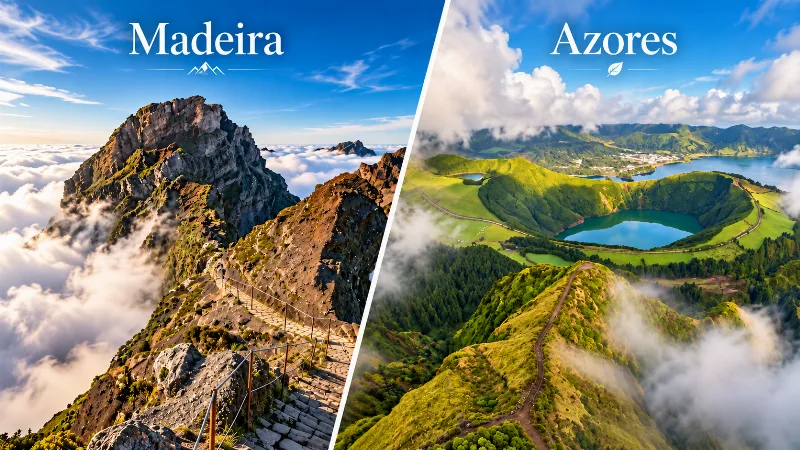
Madeira and the Azores offer very different Atlantic island experiences, from hiking and volcanic scenery to weather, transport, towns and travel style.
Angra do Heroísmo
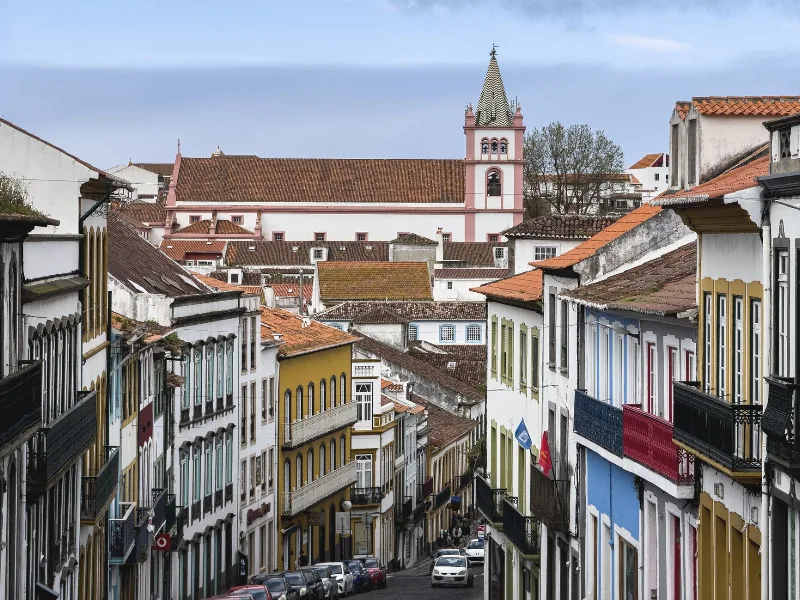
Angra do Heroísmo wraps around a sheltered bay on Terceira, where a UNESCO-listed street plan, baroque churches and a hilltop fortress record five centuries of Atlantic trade and island life.
Santana
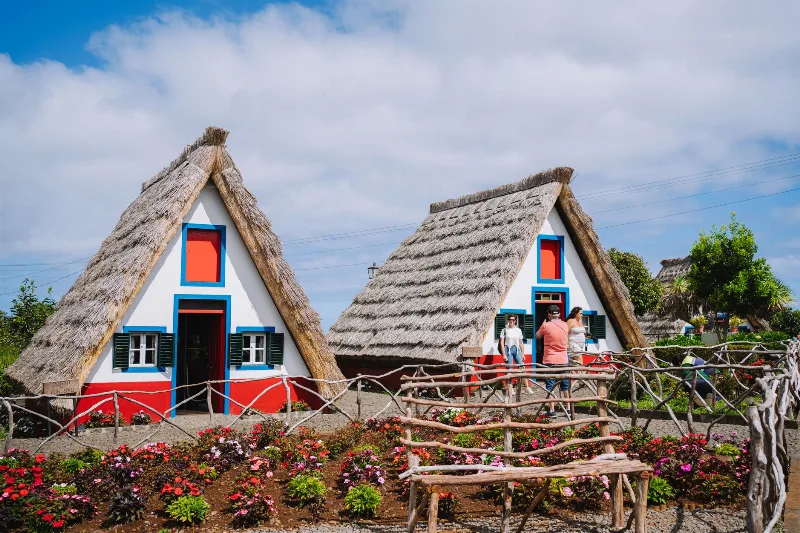
Santana is a town on Madeira's north coast, known for its steep-roofed thatched houses and for the mountains that rise directly behind it. It is a working Portuguese town rather than a resort, surrounded by terraced fields and laurel forest.
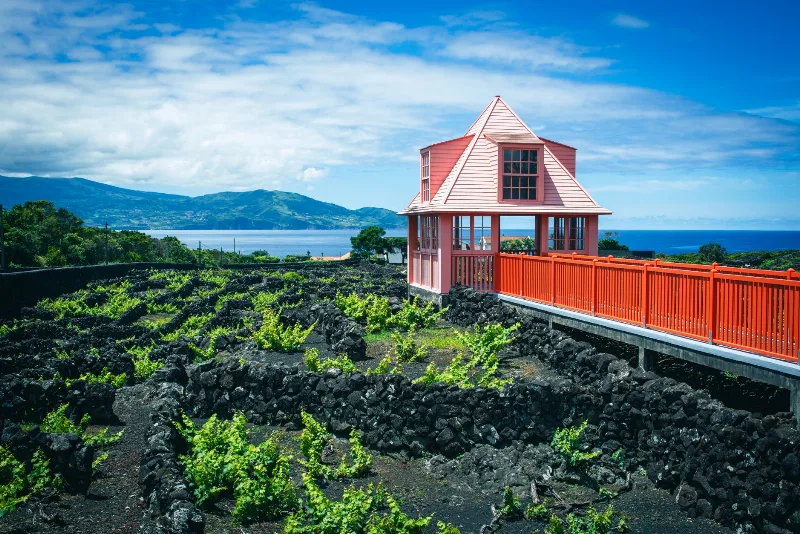
Madalena
Madalena is the ferry port and wine capital of Pico in the Azores, a basalt-built town facing Faial across a narrow channel, with UNESCO-listed vineyard walls, a whaling inheritance and one of Portugal's longest lava tubes just inland.