
Côa Valley Palaeolithic Rock Art and Archaeological Park
Along the Côa river in north-east Portugal, thousands of animals were incised into open schist panels during the Upper Palaeolithic. The valley is now a protected archaeological park with guided access to its most celebrated rocks.
The Côa Valley lies in the north-east of Portugal, in the district of Guarda, where the river Côa cuts down to meet the Douro. The Côa Valley rock art — thousands of figures incised directly into open schist faces — forms one of Europe's most significant collections of its kind, protected within the Parque Arqueológico do Vale do Côa and inscribed on the UNESCO World Heritage list alongside the Siega Verde sites across the Spanish border. Unlike the painted caves of France and Spain, these images have stood in the open air for many thousands of years, exposed to sun, frost and river mist.
How the engravings came to light
The art was not found in a cave but in a river gorge that was about to disappear beneath a reservoir. During the early 1990s, as plans advanced for a dam on the lower Côa, survey work along the banks brought engraved panels to light on the schist. The finds prompted a long public debate in Portugal about the value of the site, and in 1995 the dam project was abandoned. The archaeological park was created the following year, international recognition came in 1998, and the World Heritage listing was later extended to take in the related engravings at Siega Verde. What had begun as an engineering scheme ended as one of the country's most closely studied prehistoric landscapes.
The Côa Valley rock art: subjects and techniques
Most of the figures were made by incising or pecking lines into flat, vertical surfaces of schist, a method quite different from the painting and relief carving found underground. The artists concentrated on animals: horses, aurochs, red deer, ibex and chamois recur again and again, with the occasional fish and, more rarely, human forms. Many panels were used repeatedly over long periods, so older outlines are crossed by later ones, and a single surface may carry Upper Palaeolithic work together with Iron Age and historic-period marks. The earliest engravings are generally dated to the Upper Palaeolithic, roughly between 22,000 and 12,000 years ago, although the chronology of individual panels continues to be refined by researchers.
Visiting the engraved panels
There is no wandering freely among the rocks. The engravings are seen in small groups accompanied by guides, a system that protects fragile surfaces while allowing close views. Three sites form the core of the visitor experience: Canada do Inferno, close to Vila Nova de Foz Côa near the abandoned dam site; Penascosa, downstream towards the Douro near Castelo Melhor; and Ribeira de Piscos, upstream along the Côa. Each has its own character and its own best-known figures, and more than a hundred panels are recorded across the valley, with further survey work continuing each year.
The Côa Museum
Overlooking the confluence of the Côa and the Douro stands the Museu do Côa, a long concrete building designed by Camilo Rebelo and Tiago Pimentel and opened in 2010. Its galleries set the engravings in their wider context, with casts, archaeological finds and explanations of the valley's long occupation, while the roof terrace opens onto a broad view of the surrounding plateau. For many visitors it is the natural starting point before descending to the panels themselves.
Landscape and surroundings
The valley belongs to the schist country of the Trás-os-Montes borderlands, a quiet landscape of terraced slopes, olive groves, almond orchards and, further north, the vineyards that feed into the Douro wine region. The river runs through a narrow, rocky gorge, and the plateau above is patrolled by birds of prey that ride the thermals along its edges. Roads are few, villages are small, and a certain remoteness is part of the experience. The nearby town of Vila Nova de Foz Côa serves as a base, with its pillory, churches and small local collections.
Because access is deliberately limited, the park rewards those who plan ahead and take their time. Spring and autumn bring gentler temperatures for walking between the panels, and the slanting light of late afternoon often picks out incised lines that remain invisible at midday. Seen in this way, the Côa engravings are less an exhibit than a working landscape in which animals drawn millennia ago still seem to move across the stone.
Related content
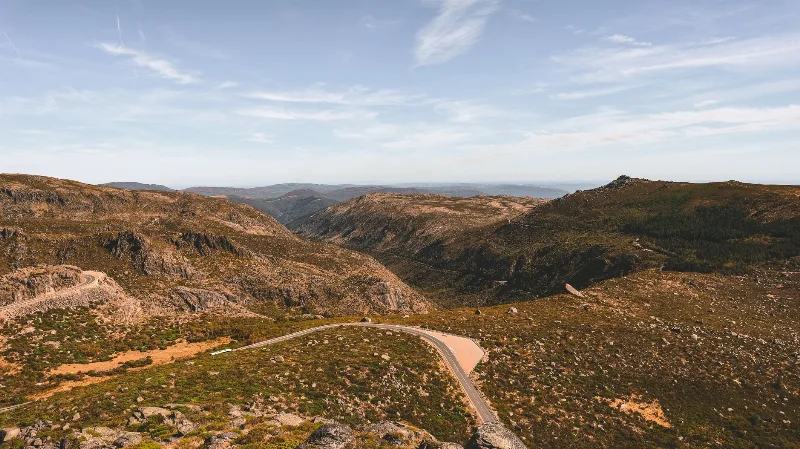
Guarda
Guarda is Portugal's highest city, set on a granite plateau beside the Serra da Estrela. This guide looks at its medieval streets, Gothic cathedral, Jewish heritage and mountain surroundings.
The Mondego River Valley from Serra da Estrela to Coimbra
The Mondego is Portugal's longest river to rise and finish entirely within the country, linking the granite heights of Serra da Estrela with the Atlantic at Figueira da Foz. Its valley passes through mountain scenery, wooded gorges, historic towns and a wide agricultural plain.
Serra da Estrela Granite Landscape and Glacial Valley
The highest ground in mainland Portugal is a weathered granite massif where ice once carved cirques, trough valleys and moraines. The Zêzere valley preserves some of the clearest glacial scenery in the country.
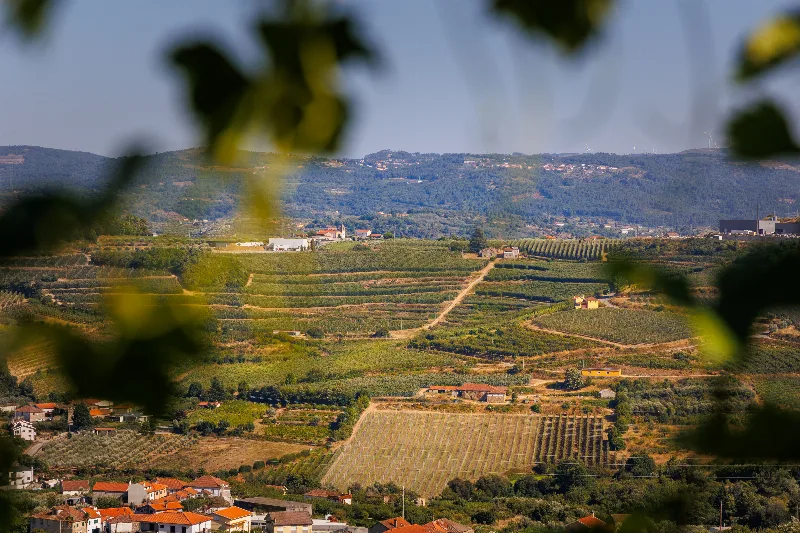
Viseu
A granite city in the Beira Alta of north-central Portugal, Viseu combines an old cathedral quarter, a national museum devoted to Renaissance painting and a position at the heart of the Dão wine region.
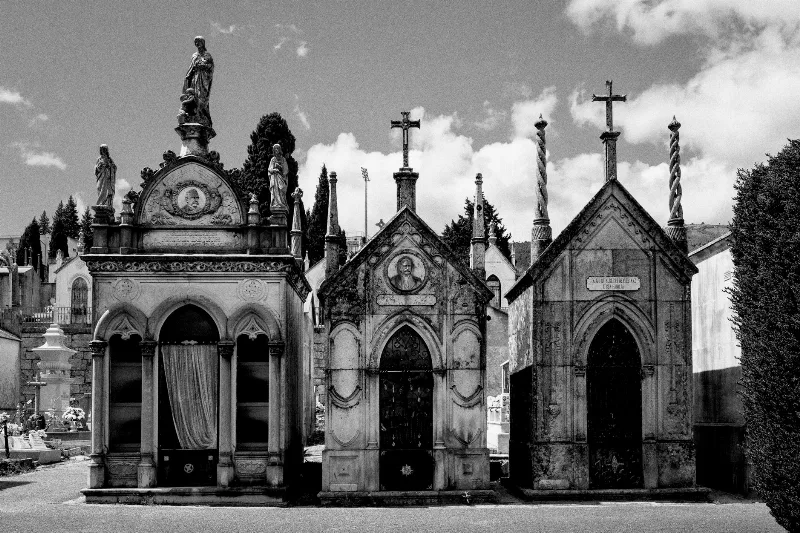
Covilhã
Covilhã grew wealthy on wool combed from the Serra da Estrela and now stands as the mountain city of Portugal's Beira Interior, with a steep old quarter, a university in converted mills and the high summits close at hand.
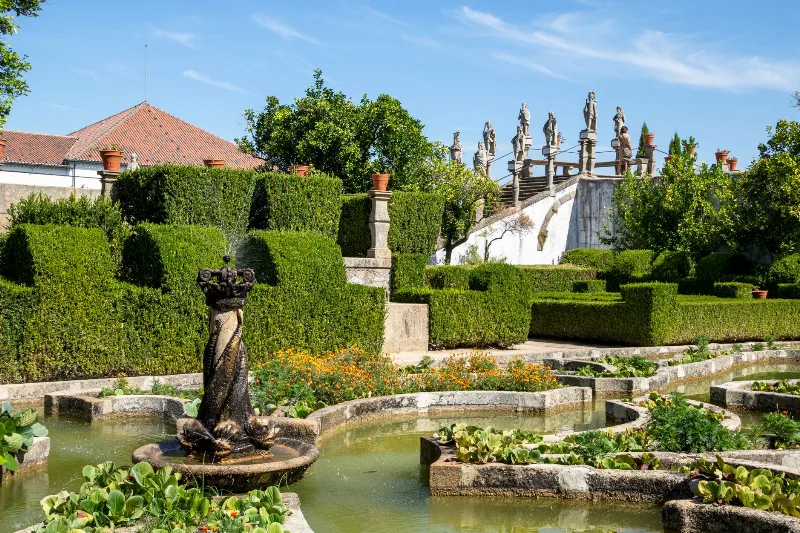
Castelo Branco
Castelo Branco is the district capital of Portugal's Beira Baixa, a hill town known for its Templar castle ruins, a baroque episcopal garden and a long tradition of silk-on-linen embroidery.
Peneda-Gerês National Park
Portugal’s only national park combines granite mountains, forests, rivers, traditional villages, wildlife and extensive walking landscapes in the far north.
Peneda-Gerês National Park and its Mountain Villages
Granite peaks, oak woods and stone-built settlements give Peneda-Gerês its particular character. An introduction to Portugal's only national park and the villages scattered through it.